

Heart and Blood Vessels
Heart disease
Atherosclerosis (hardened or narrowed arteries)
Poor circulation in the hands, legs and feet
Spider veins
People with heart and circulation concerns use 10 pass ozone therapy as complementary support for blood flow and oxygen delivery, alongside the care their cardiologist provides. Research on ozone has looked at how it affects red blood cells, oxygen release to tissues and inflammation in blood vessels. At our Westwood clinic, every plan is approved by Dr. Thom Lobe, MD, ND.
Every organ depends on steady blood flow. When circulation slows, from heart disease, narrowed arteries or problems in the smallest blood vessels, it can affect your energy, your thinking, your vision and your hearing. Ozone therapy is not a replacement for cardiac care, medication or surgery. Patients use it as one part of a broader plan to support healthy circulation. Ozone helps to activate your body's own healing mechanisms.
Our patients come to us with a range of heart, circulation and related concerns, including:
Heart disease
Atherosclerosis (hardened or narrowed arteries)
Poor circulation in the hands, legs and feet
Spider veins

Reduced blood flow to the brain
Brain fog and memory concerns
Neurological conditions with a circulation component
Dry macular degeneration
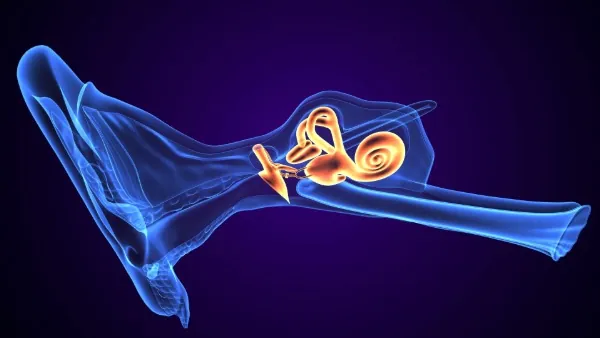
Tinnitus, especially when blood flow to the inner ear may play a role

Long-term inflammation in the blood vessels
Chronic infections such as Lyme disease

In a 10 pass session, a small amount of your blood is mixed with medical-grade ozone and oxygen, then returned through the same IV. Researchers have studied several ways this may affect circulation:
Studies suggest ozone can make red blood cells more flexible, so they pass through tiny capillaries more easily and deliver oxygen where it is needed.
Ozone appears to help red blood cells release oxygen to tissues more readily, which matters most in areas with poor blood flow.
Long-term inflammation plays a role in heart disease. Ozone prompts the body to increase its own antioxidant and anti-inflammatory defenses, through a pathway called Nrf2.
Research has also looked at how ozone affects nitric oxide, a molecule that helps blood vessels relax and widen.
Heart disease is the leading cause of death in the United States, and it needs a cardiologist's care. Ozone therapy is not a replacement for that care. Some patients add it as complementary support for inflammation in the blood vessels, blood flow and oxygen delivery. Before your first session we review your heart history and medications, especially blood thinners, and we encourage you to keep your cardiologist informed.
The brain uses about 20 percent of the body's oxygen while making up only about 2 percent of its weight, so it depends on steady blood flow. Reduced flow is linked with brain fog, memory problems and other neurological symptoms. Some patients use ozone therapy as complementary support for circulation, alongside their neurologist's care. Research in this area is still early.
The retina and the inner ear both depend on very small blood vessels. Small studies, mostly in Europe, have looked at ozone therapy for dry macular degeneration and for some types of tinnitus and sudden hearing loss. The evidence is limited and results vary. If you are considering ozone for either, keep seeing your eye doctor or ear, nose and throat specialist.
People with heart and circulation concerns use 10 pass ozone therapy as complementary support for blood flow and oxygen delivery, alongside the care their cardiologist provides. Research on ozone has looked at how it affects red blood cells, oxygen release to tissues and inflammation in blood vessels. At our Westwood clinic, every plan is approved by Dr. Thom Lobe, MD, ND.
Often, yes, but it depends on your condition and your medications, so we review both before your first session. Tell us if you take blood thinners or have had a recent heart attack, stroke or heart surgery. Ozone therapy does not replace cardiac care, and we encourage you to keep your cardiologist informed.
Small studies in Europe have looked at ozone therapy for dry macular degeneration, and some of our patients use it as complementary support. Research is still limited, and ozone therapy is not FDA approved to treat macular degeneration. Keep seeing your eye doctor and follow their treatment plan.
Some patients with tinnitus, especially when poor blood flow to the inner ear may play a role, use ozone therapy as complementary support. Evidence comes mainly from small studies, and results vary from person to person. We recommend an evaluation by an ear, nose and throat specialist first.
Research suggests ozone can make red blood cells more flexible and help them release oxygen to tissues more easily. Flexible red blood cells move through the smallest blood vessels more readily. This is one reason ozone is studied for circulation.
Call 310.550.6767 or text 818.424.2619. We are at 1310 Westwood Blvd, Los Angeles, CA 90024, open Wednesday to Saturday, 8:45 AM to 3:45 PM, by appointment.
COMPLIMENTARY CONSULTATION