
Plasmapheresis
Removes only a small amount of plasma.
Different than Therapeutic Plasma Exchange (TPE) or Plasmapheresis, in Plasma Filtration, the plasma (the pale-yellow liquid part of blood that makes up about 55% of total blood volume) is not thrown away.
At our Westwood clinic, plasma filtration is offered as part of our regenerative and wellness care, and every plan is approved by Dr. Thom Lobe, MD, ND.
Instead of discarding the plasma, plasma filtration cleans it and returns it to you:
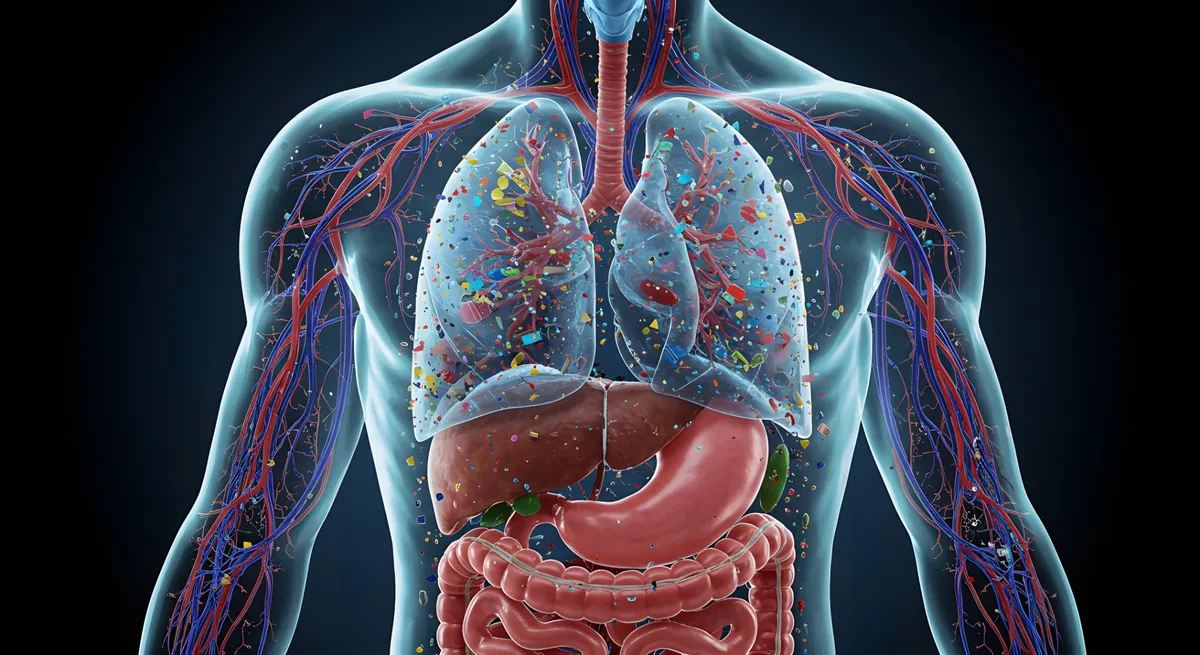
This is sometimes called cascade filtration, double-filtration plasmapheresis, plasma fractionation or selective plasma filtration.
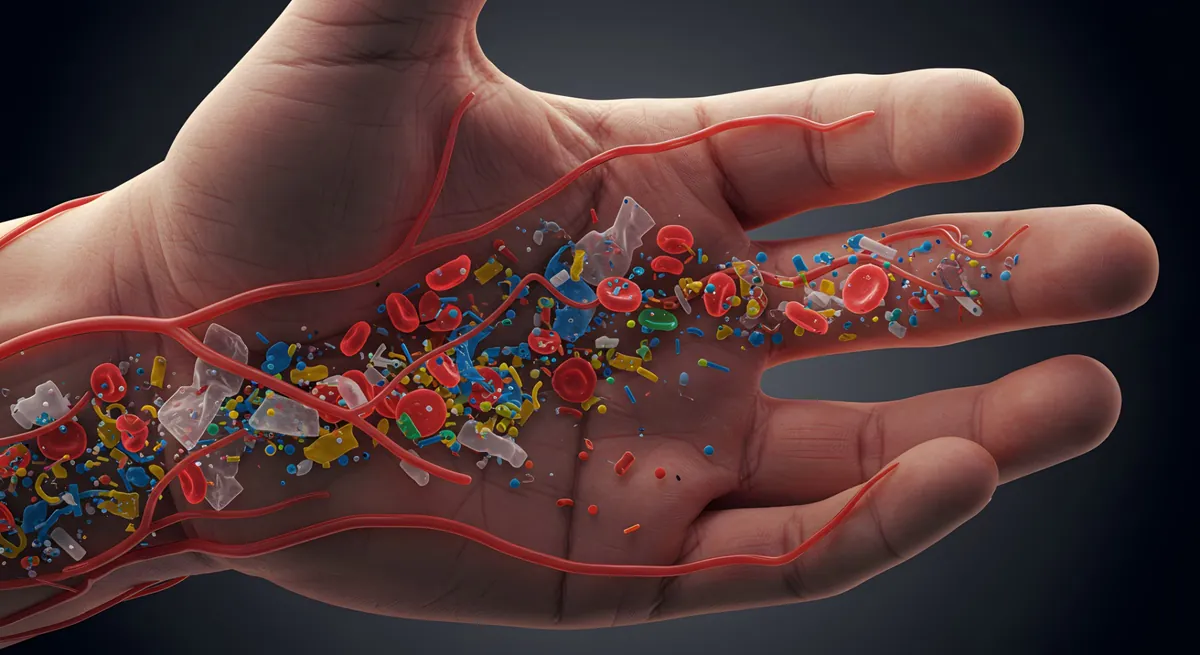
Depending on the filter used, it can remove:
Which process removes the least? From least to most plasma removal:
Removes only a small amount of plasma.
Returns almost all plasma after filtering.
Removes nearly all plasma and replaces it.
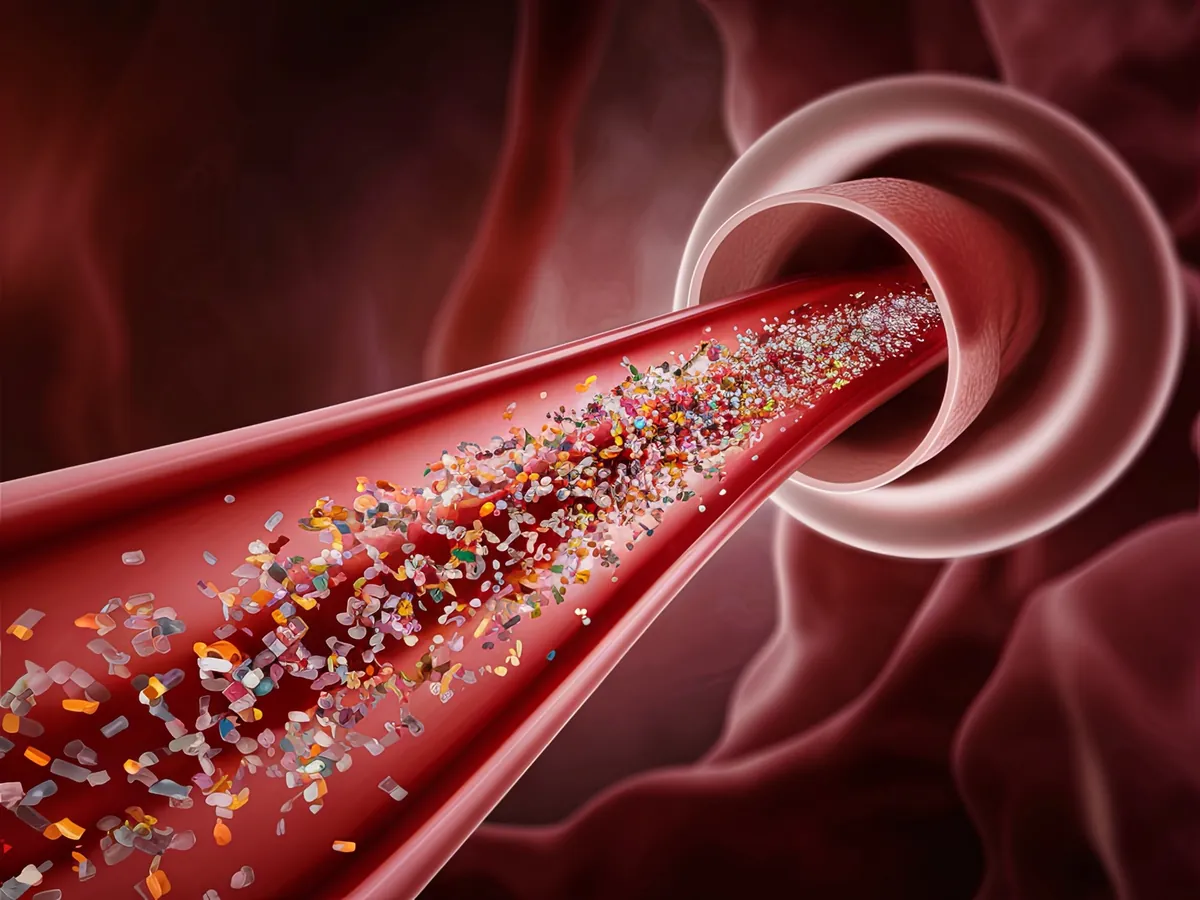
In regenerative medicine this distinction matters because plasma exchange removes both harmful and beneficial plasma components, including:
Plasma filtration is attractive because it aims to remove selected harmful substances while preserving most beneficial plasma proteins, although the exact substances removed depend on the filter used.
Given the current interest in EBOO systems and plasma filtration technologies, selective plasma filtration aligns better with the goal of removing spike protein, microplastics and reducing inflammatory mediators while minimizing the loss of beneficial plasma constituents.
Because the patient’s own plasma is returned, replacement albumin or plasma is usually not necessary. This is a safety factor given today’s potentially contaminated blood supply.
Plasma Filtration can be performed monthly, quarterly or yearly depending on a specific health goal and wellness experience desired.
In plasma exchange, nearly all of the plasma is removed and replaced. In plasma filtration, your plasma is separated, passed through a highly specialized filter or adsorber so selected molecules are removed, and then returned to you. Because your own plasma is returned, replacement albumin or plasma is usually not necessary.
Depending on the filter used, it can remove spike protein, LDL cholesterol, Lipoprotein(a), immune complexes, large inflammatory proteins and certain cytokines, while aiming to preserve most beneficial plasma proteins.
Usually not. Because the patient’s own plasma is returned, replacement albumin or plasma is usually not necessary — a safety factor given today’s potentially contaminated blood supply.
Plasma filtration can be performed monthly, quarterly or yearly, depending on your specific health goal and the wellness experience you want.
Call 310.550.6767 or text 818.424.2619. We are at 1310 Westwood Blvd, Los Angeles, CA 90024, open Wednesday to Saturday, 8:45 AM to 3:45 PM, by appointment.
COMPLIMENTARY CONSULTATION