
Ozone Therapy for
Mold Illness
Los Angeles
Support for Recovering From Mold Exposure
People recovering from mold exposure use 10 pass ozone therapy and UVBI as complementary support for energy, immune function and inflammation, once the mold in their home or workplace has been dealt with. Ozone therapy does not remove mold from your body or your home and is not FDA approved to treat mold illness. At our Westwood clinic, every plan is approved by Dr. Thom Lobe, MD, ND.
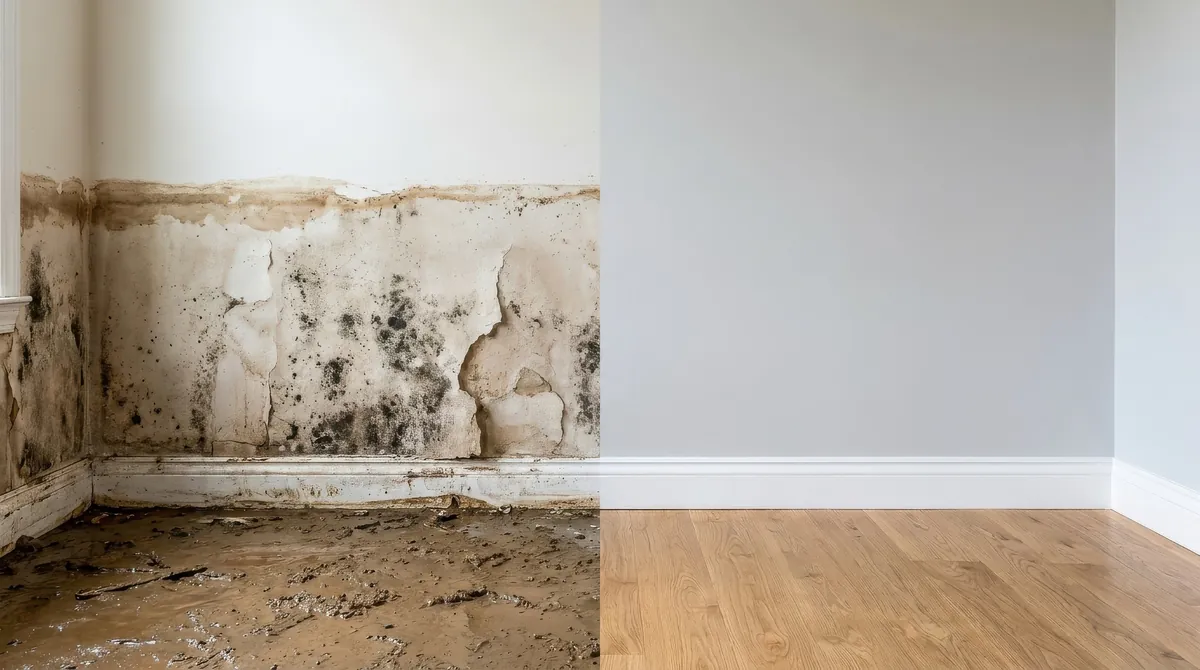
Many of our mold patients spent months or years feeling unwell before they found the cause: a slow leak behind a wall, water damage under a floor, or a damp office. By the time they reach us, the mold is usually gone, but they still do not feel like themselves. Some have been told their tests are normal. We listen, take your whole history into account, and build a plan that works alongside your other doctors.
Signs Mold May Be Affecting Your Health
According to the CDC, damp and moldy buildings can cause a range of symptoms, or none at all. People with asthma, mold allergies, lung disease or a weakened immune system can react more strongly.

Symptoms our mold patients describe
- Stuffy nose, sinus trouble, coughing or wheezing
- Itchy eyes and skin rashes
- Fatigue that does not lift
- Brain fog and trouble concentrating
- Headaches
- Symptoms that ease when you leave home or work
Step One Is Always the Source
No treatment can keep up with ongoing exposure. Before ozone, the most important steps are:
- Find the moisture: roof, window and pipe leaks, past flooding, or humidity above 50 percent
- Have the mold cleaned up properly, by a professional for anything larger than a small patch
- See your doctor about your symptoms, especially if you have asthma or a lung condition
- Then add support, like ozone therapy, to help you recover
How Ozone Fits Into Mold Recovery
Ozone creates a brief, controlled stress in the blood, and the body responds by increasing its own antioxidant and anti-inflammatory defenses. That is why people recovering from mold, who often describe ongoing inflammation and fatigue, use it as complementary support. Sessions are 10 pass ozone through a single IV, with UVBI and PolyChromatic Light Therapy in the same visit, approved by Dr. Thom Lobe, MD, ND.

High dose ozone is not recommended for people with
- G6PD deficiency
- Pregnancy
- Uncontrolled hyperthyroidism
- Low platelet counts or a bleeding disorder
- A known allergy to ozone
If you have asthma or a lung condition, tell us before your first session. Ozone is given through your bloodstream, never inhaled.
Mold in Los Angeles Homes
Southern California is dry, but mold is still common here. Older homes and apartments on the Westside, slow plumbing leaks, roof damage from winter storms, and damp bathrooms and crawl spaces all give it a place to grow. Coastal neighborhoods add humidity. If your symptoms ease when you are away from home or work, that is worth paying attention to.
What the Research Says
Researchers agree that damp, moldy buildings can harm health, especially breathing. Research on treating the longer-term symptoms some people describe after mold exposure is still limited, and there is no research yet on ozone therapy for mold illness specifically. Ozone therapy is not FDA approved to treat mold illness, and we are honest with patients about that.
Ozone Therapy & Mold Illness: Common Questions
Can ozone therapy help with mold illness?
People recovering from mold exposure use 10 pass ozone therapy and UVBI as complementary support for energy, immune function and inflammation, once the mold in their home or workplace has been dealt with. Ozone therapy does not remove mold from your body or your home and is not FDA approved to treat mold illness. At our Westwood clinic, every plan is approved by Dr. Thom Lobe, MD, ND.
What should I do first if I think mold is making me sick?
Find and fix the source. Mold grows where there is moisture, so look for leaks, water damage or high humidity, and have the mold cleaned up properly. See your doctor about your symptoms, especially if you have asthma, a lung condition or a weakened immune system. Support like ozone therapy works best after the exposure has stopped.
What are the symptoms of mold exposure?
According to the CDC, damp and moldy buildings can cause a stuffy nose, sore throat, coughing, wheezing, itchy eyes and skin rashes, and some people have no symptoms at all. People with asthma or mold allergies can react more strongly. Many of our patients also describe fatigue, brain fog and headaches.
How many ozone sessions do people recovering from mold usually need?
It depends on how long you were exposed, your symptoms and your overall health. People working through a chronic condition usually start with an initial series of 4 to 10 sessions, then move to maintenance sessions. Bill Quateman will recommend a plan at your consultation.
Can I do ozone therapy while I am on a mold detox protocol?
Many patients do. Some are also taking binders, antifungals or other treatments prescribed by another doctor. Tell us about everything you take before your first session, and keep your other doctors informed.
Do you also see people with Lyme disease or chronic fatigue?
Yes. Mold exposure often overlaps with Lyme disease, Epstein-Barr virus and chronic fatigue, and many of our patients are dealing with more than one. We take your whole history into account when we plan your sessions.
Talk With Us About Mold Recovery
Call 310.550.6767 or text 818.424.2619. We are at 1310 Westwood Blvd, Los Angeles, CA 90024, open Wednesday to Saturday, 8:45 AM to 3:45 PM, by appointment.
COMPLIMENTARY CONSULTATION